




Extended Project Statement & Theoretical Framework
«Can I come to your place?» is a visual and narrative exploration of the silent metamorphoses of contemporary Black masculine identities within the European diaspora. Developed through encounters in cities such as Arles, Berlin, Brussels, and The Hague, this ongoing series investigates transformation not as a spectacular rupture, but as a discrete, almost imperceptible process occurring within the sanctuary of domestic spaces.
The project is deeply informed by the «Afropean» journey, a term and movement championed by writer and photographer Johny Pitts. While Pitts documented the visibility of Black identities in Europe’s public spaces and urban landscapes, «Can I come to your place?» seeks to extend this exploration behind closed doors. The choice of the private sphere is a deliberate political and aesthetic act; it is a space where the body relaxes and where identities often -hyper-visible, frozen, or politicized by the external gaze, can begin a process of reconfiguration.
By documenting these men within their own walls, the project seeks to bypass the reductive stereotypes often associated with Black masculinity in the Western canon. It offers instead a space for vulnerability and nuance, echoing what the poet Elizabeth Alexander describes as the complex negotiation of «taking leave» from one place to inhabit another. Through the ritual of analog photography, the home becomes a witness to these intermediate states: a collection of vintage fabrics in a Berlin apartment, the «chaotic beauty» of a home in Brussels, or a meal shared in a moment of fraternity. These details are the material traces of how these men negotiate their place amidst displacement, memory, and social expectations.
The project rejects a linear narrative, opting instead for an open-ended dialogue. Fragments of voices and texts from prolonged conversations accompany the images, providing access to stories that escape traditional structures. Whether it is Brian in Berlin reclaiming his agency as an actor or Edgar in Arles on the cusp of a definitive return home, each encounter reveals an identity in constant motion.
Conceived as an evolving body of work, the series will continue to expand across other European cities. It aims to map a collective yet deeply personal geography of change, viewing metamorphosis not as a final state to be reached, but as a continuous condition of being within the contemporary European fabric.
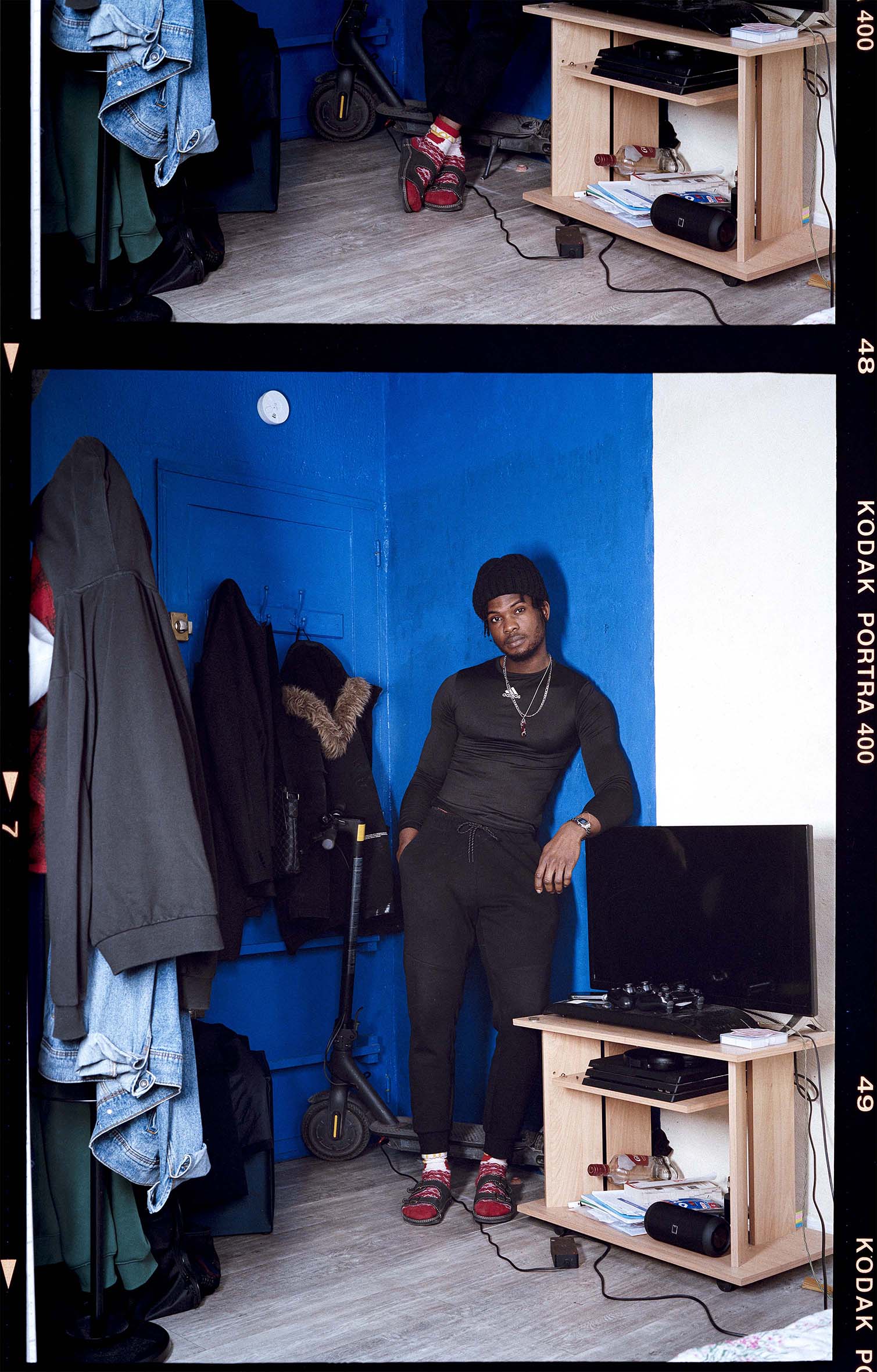
Komi-Arles
If Komi could cast a spell on anyone, it would have been on you, to make you a fashion or modelling photographer—but to his disappointment, you were not! For some reason, you felt so bad whenever you asked him to participate in your other projects… The other day he told you an agent had approached him and asked if he would be interested in posing for an advertisement. He was so excited, and somehow you felt proud, because you were the person who took some of his first pictures. Later, when you are both famous (you hope), you’ll joke about the good old days.
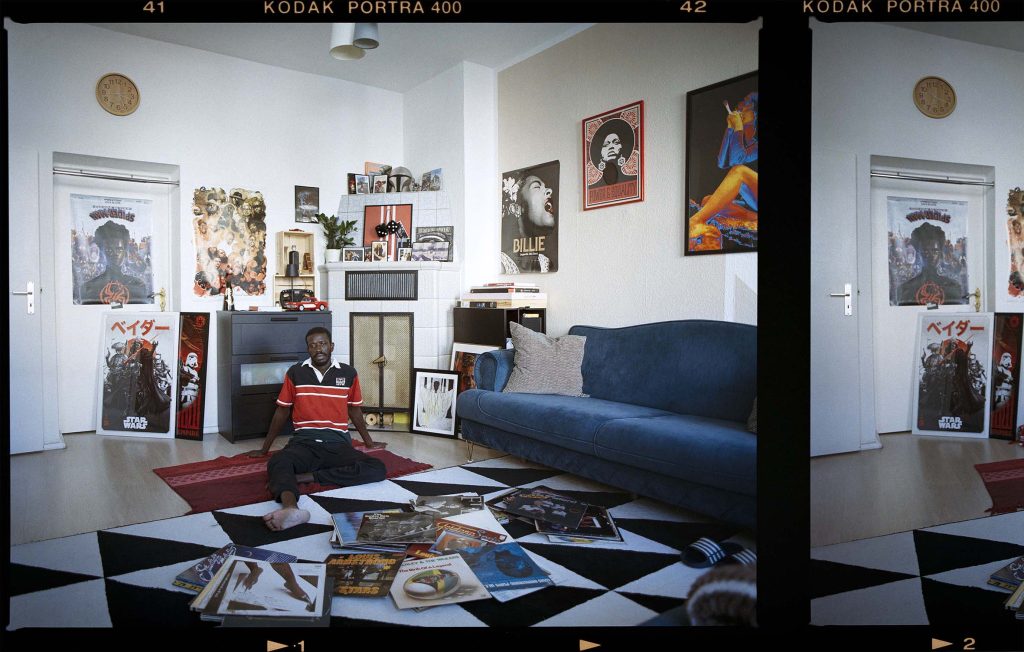
Brian-Berlin
The house of Brian, to put it simply, was vintage. He had a lot of collections and fabrics from Africa all over the rooms. At some point you were sad because you couldn’t put everything you could see in one picture! Maybe you should return to his house someday, ahh. As he is an actor, you were interested in knowing how the cinema industry in Germany works, because somehow you feel like you have a better shot at making it in cinema than you would in photography. But then you realised that it’s not that much better than anywhere else!
He told you about the stereotypical roles he usually gets—an angry man, a drug addict on the street, and such. Or even when they give him a better role, they would always add that scene that doesn’t make sense. Whenever he would ask why his character is doing that, they would just tell him that it’s a “small thing.” He used to give in before, but now he stands his ground and refuses whatever feels irrelevant to the character he is playing just because he is Black.
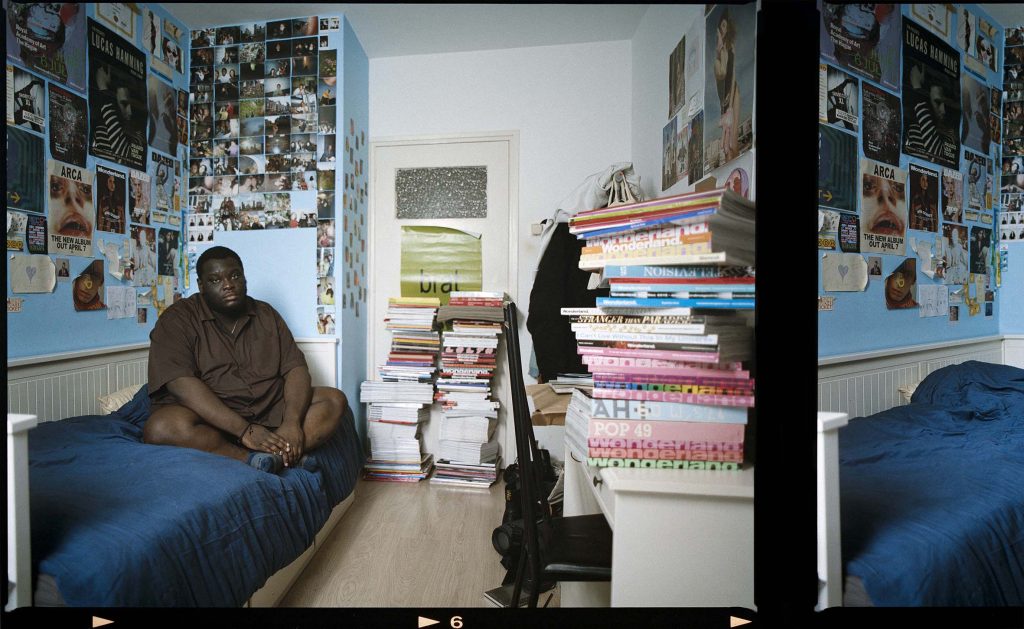
Joel-The Hague
When you were in the Netherlands, you had only one week there, and at some point you started getting worried because you weren’t finding Black people to photograph. Well, you had come there for fun and to visit other friends, but still, getting pictures was a top priority too. You asked a friend of yours if she could connect you with people from her school. She gave you the contact of J., and from the first texts you exchanged, you could tell how genuine he was! You went to meet him two days later, and the crazy thing is, you had already crossed paths at a major photography event where he had won an award—but you had missed the moment he received his prize because you were on a cute date several meters away, and during the dinner afterwards, you didn’t see him.
So you went into deep talks about awards and how it felt winning and all. He encouraged you to apply the following year too, because he had high regards for your project. You left his apartment very optimistic, but mostly touched by his openness and humbleness.
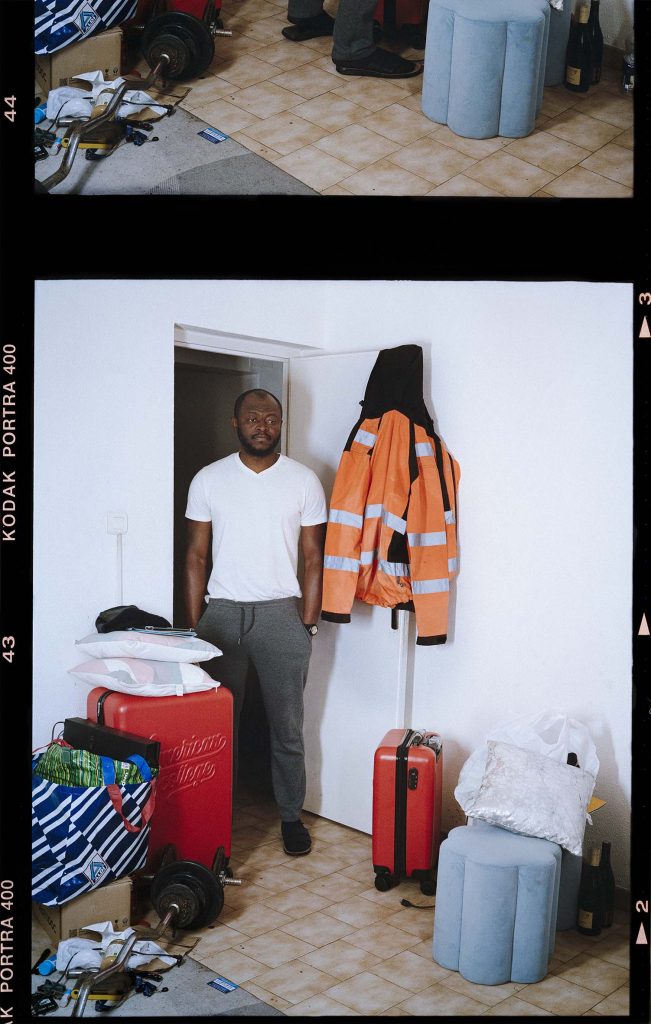
Edgar-Arles
It was a windy Saturday. You were coming from the market and decided to make a stop at a friend’s workplace. You didn’t really have anything to say to her; your text was like: “Can I pass by to annoy you?”
When you arrived, you talked about your current project and she told you about a man who was going to return to his home country in two days! Instinctively, you knew you wanted to take his picture. You imagined the chaos in his place, all the preparations he was doing, all the things he was going to leave behind. You wanted to see him, talk to him, and ask him what it feels like to go back home after all these years abroad.
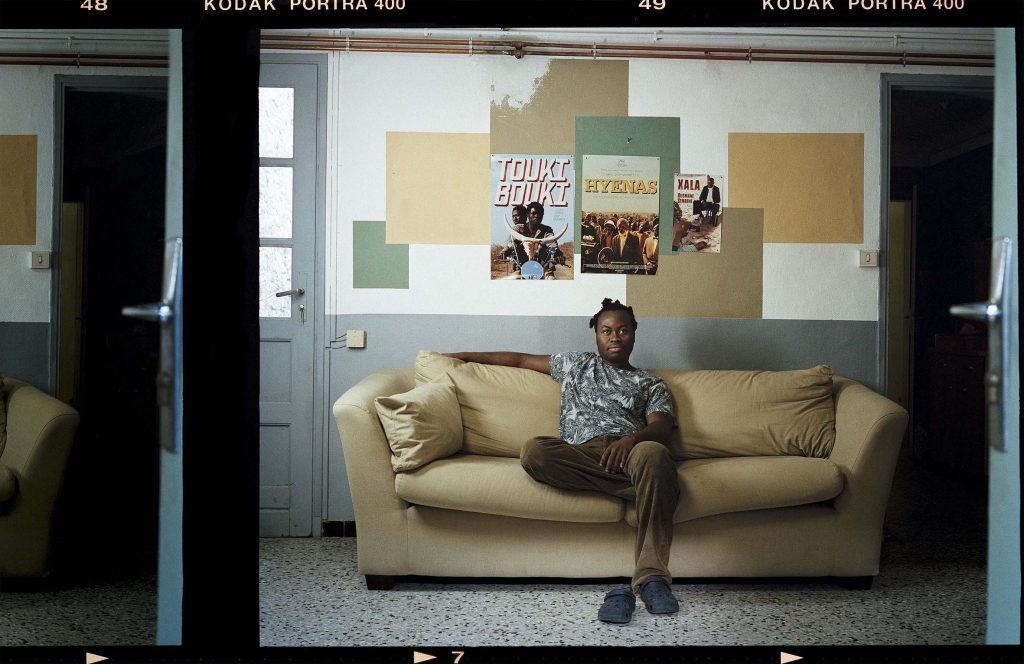
Rubiel-Arles
You had crossed paths briefly for the first time when you were coming from the gym and he was doing dangerous tricks on a bike with another friend of yours. Your friend introduced R. to you! You tried to join in the tricks thing, but you failed terribly. The thing that caught your attention first was the way R. spoke so fast—you could barely understand anything he said, so sometimes you just nodded or ignored the question, hoping he wouldn’t take it the wrong way. A few days later, you were invited to his place. It was a farewell party for one of the guys who had recently graduated. He had prepared ubugari n’inyama, the best African dish! The fun part was that everyone was eating with their hands—it felt like a real communion, a fraternity in the making (between all the Black men who were there).
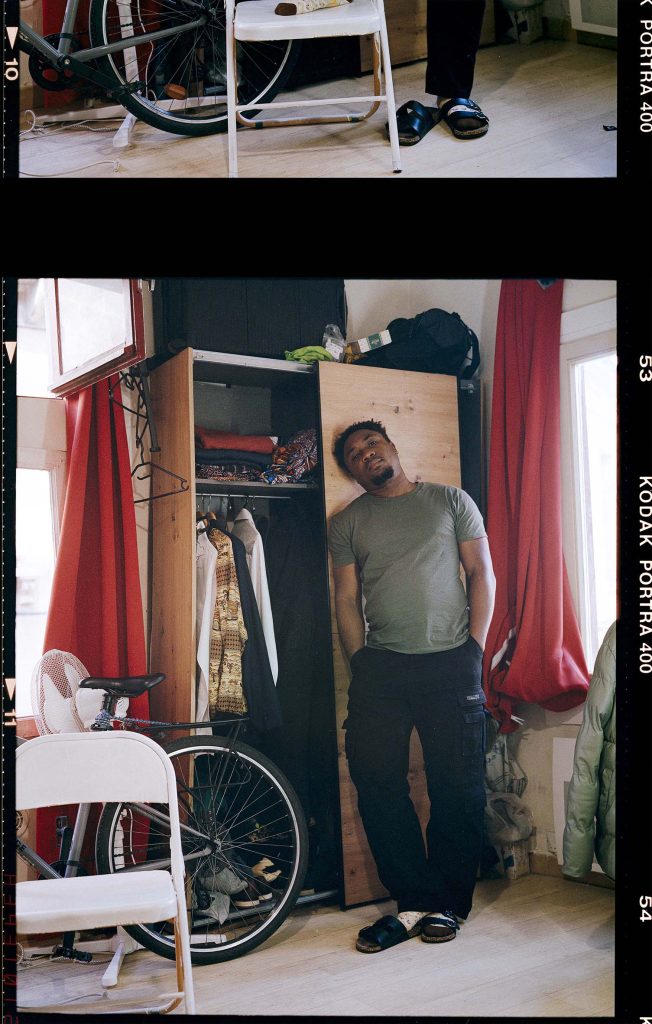
Marius-Arles
Marius was like the father figure of your group, the one who scolded lazy eaters but also pushed for one more shot of whisky whenever you were out. But he also had this soft side you wouldn’t find in any other Black man in your group. He spoke gently, in an assuring tone… You took a lot of pleasure in taking his photograph. You had switched the script: you were the one in control, telling him what to do, what to wear, where to stand, and all that.
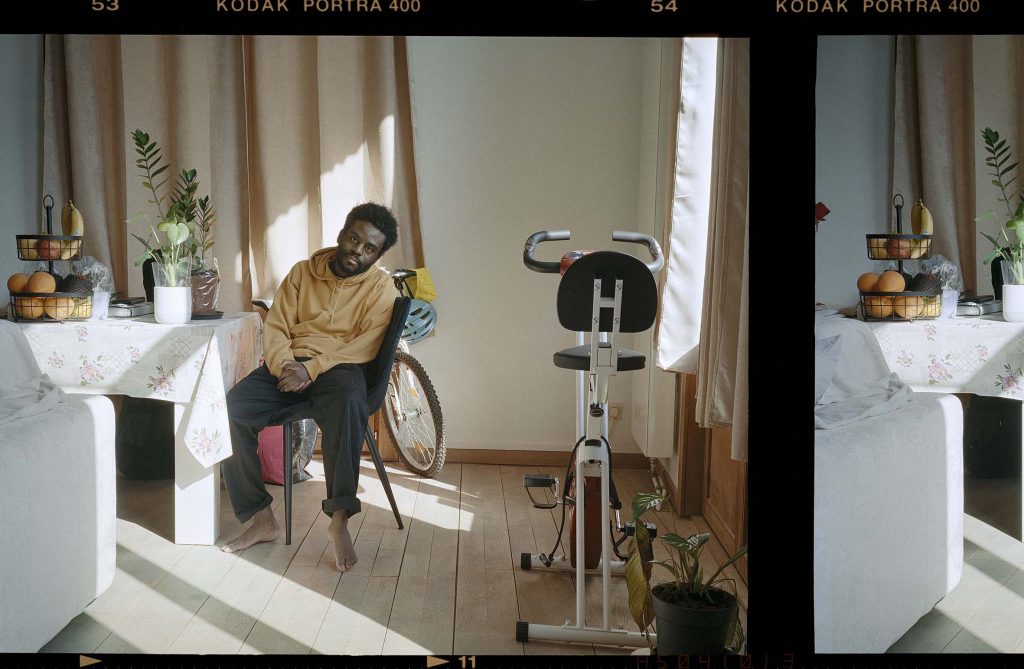
David-Brussels
When you got to his place, you were surprised by his mom in the living room. It was your first time going to someone’s place and meeting their parents; most of the people you had met so far lived alone. As a true Black mother, she didn’t move from the couch she was lying on—it was up to you to adapt yourself. His mom teased him about his hair and how he was dressing. We stressed that it was a picture that had to look as natural as possible, since it was taken at home. It made you think of your mother too. You missed her… it had been so long since you had seen her, and it could take even more years before you are able to go back home again…
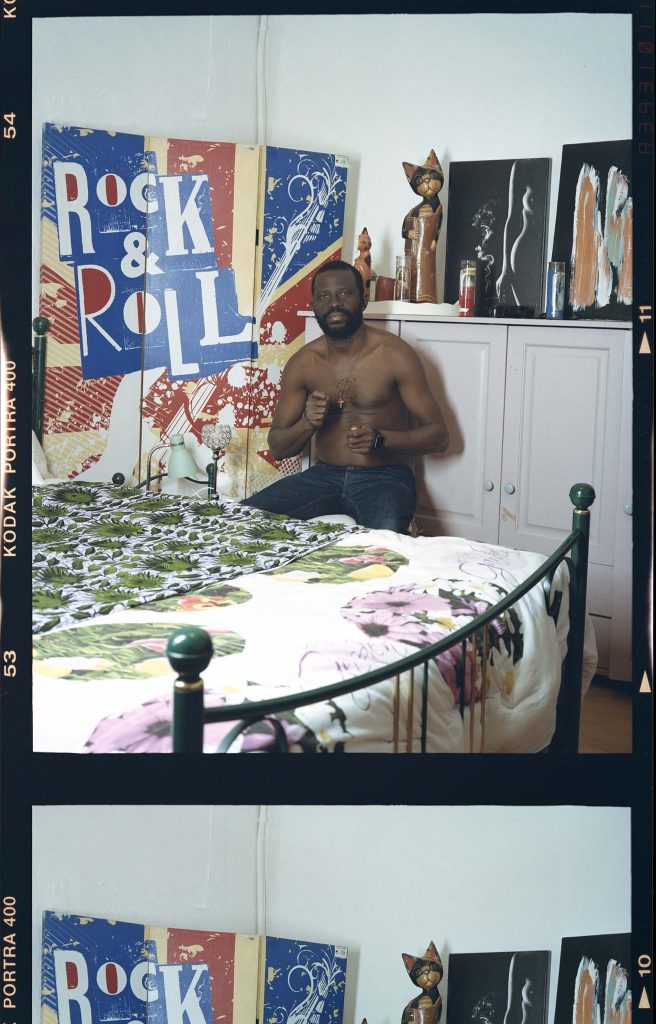
Arnaud-Arles
That Sunday, during the sermon, the priest talked about people who never change their seats in church, and how that says a lot about their personality and their relationship with God. You always sit in the same place on the last bench, just as you do everywhere else. That same day, A. was getting baptized; he was taking a step forward in his relationship with God. You had tears of joy for him, even though you didn’t know him. You have always been afraid of committing yourself to anything, and he was proof to you that sometimes you just have to take that leap.
Clement-Brussels
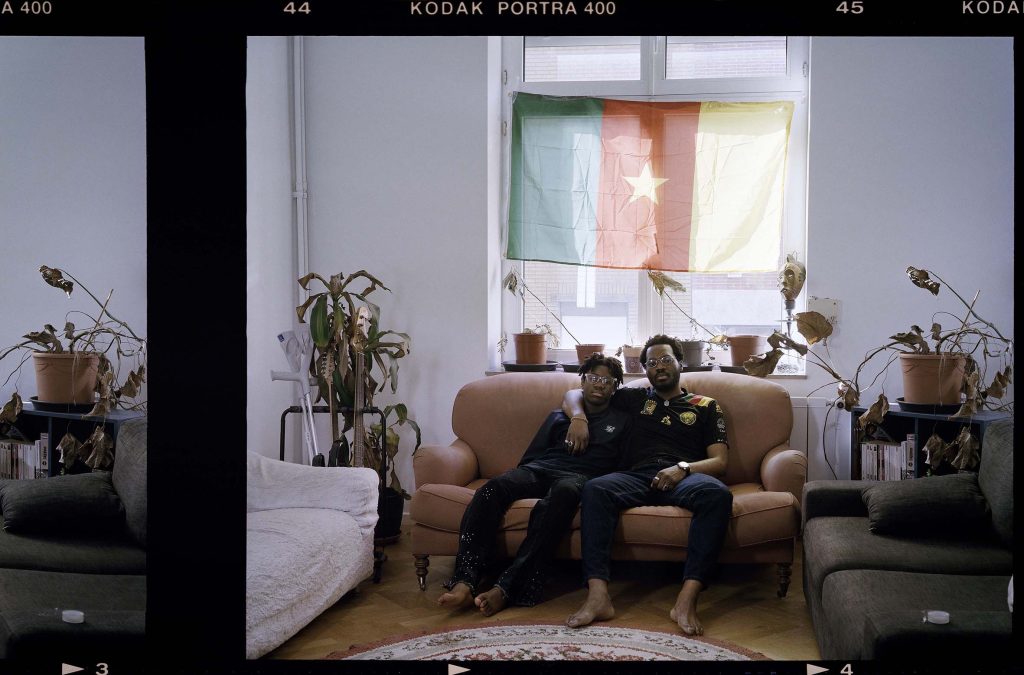
His house had those kinds of details that, when you see them, you get so excited because you know they will look nice in the picture. In his house, it was the dead plants. The plants belonged to his ex-girlfriend; she was the one who used to take care of them, and when they broke up, she never came back to take them. S. just left them there too—day by day, without a single drop of water, they died. When we talked about it, we laughed at the analogy that they had died just as their relationship had died… His cousin, who had helped a lot when I was setting up the picture, looked sad because you weren’t putting him in the picture.
Emmanuel-Arles
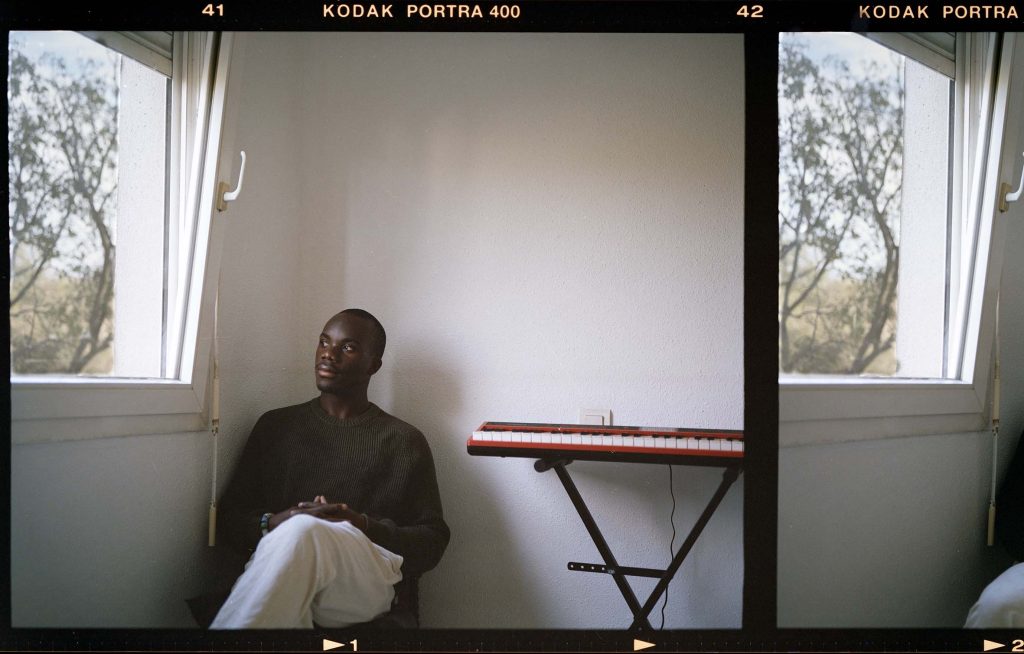
The talk is good. The two friends linger
at the door. Urban crickets sing with them.
There is no after the supper and talk.
The talk is good. These two friends linger
at the door, half in, half out, ’til one
decides to walk the other home. And so
they walk, more talk, the new doorstep, the
nightgowned wife who shakes her head and smiles
from the bedroom window as the men talk
in love and the crickets sing along.
The joke would be if the one now home
walked the other one home, where they started,
to keep talking, and so on: “African
Leave-Taking Disorder,” which names her children
everywhere trying to come back together and talk.*
*The start this project was partly inspired by this poem of Elizabeth
Alexander, African Leave-taking Disorder. This is the first picture I took.
Samba-Berlin
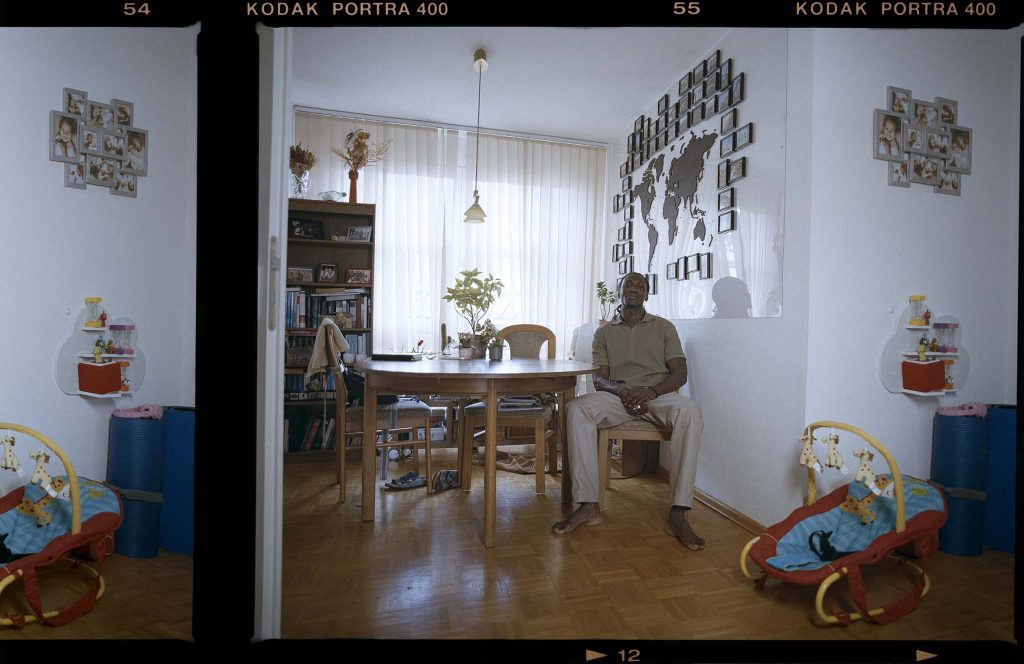
When you got to Samba’s place, it was already late in the afternoon on a cloudy day. You were worried that the picture would not be good, but after the scan, you were amazed by the results. He told you he had had a long day because he had been cleaning the house and everything, since the friends (or family) of his wife were coming to stay over for a few days. When you asked him where his wife was, he said she had taken the children to the park. You were surprised—he certainly looked like a family man, but you didn’t imagine him cleaning the house and doing all the preparations while his wife was outside with the kids.
You realised that even though you work on the image of Black men and how to fight against stereotypes, you still have some of your own too.
He stopped cleaning so you could do the picture before it got dark. His wife and kids were back too; you shared a meal he had prepared.
Taj-Bruxelles
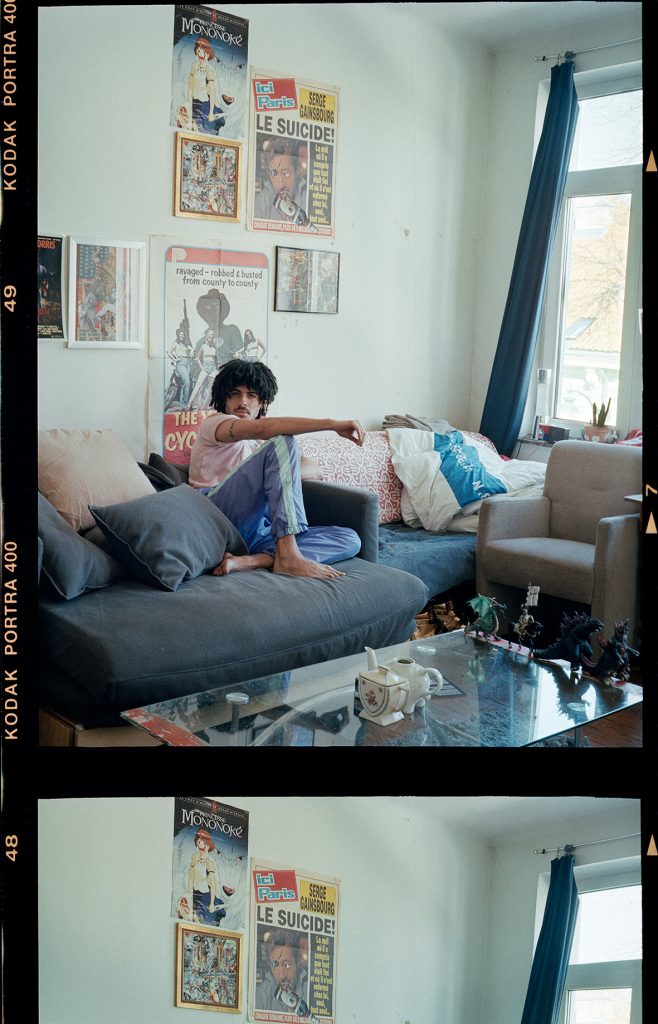
The day you took Taj picture, was one of those days you wake and just decide to do something stupid !! Like going out in a city you don’t know without the internet or calling credits, just with the hope that google maps will be faithful. And oh boy it disappointed you, after getting lost left and right, you finally arrived at his place 30 minutes later, but all in all you enjoyed your experience… you wanted to test if you had a sense of direction! Taj’s apartment was like nothing you had seen so far, so chaotically beautiful, it was a work of art just like its owner. You talked about the way he wanted to move to New York to pursue his acting career, he was getting bored of his current life, and he wanted a new spark, something very dynamic… America has never really been your cup of tea, but you didn’t tell him that, you wanted to hear him talking about New York and all the life he was dreaming of living.